E-commerce Boom and Warehousing Challenges
The rapid growth of e-commerce has transformed the global supply chain, creating new opportunities for businesses while also putting significant pressure on warehousing and logistics systems. As online shopping continues to expand, companies must adapt quickly to meet rising customer expectations.
1. The Rise of E-commerce
Platforms like Amazon, Flipkart, and Shopify have driven massive growth in online retail. Consumers now expect fast delivery, easy returns, and real-time tracking, which has increased demand for efficient warehousing solutions.
2. Increased Demand for Storage Space
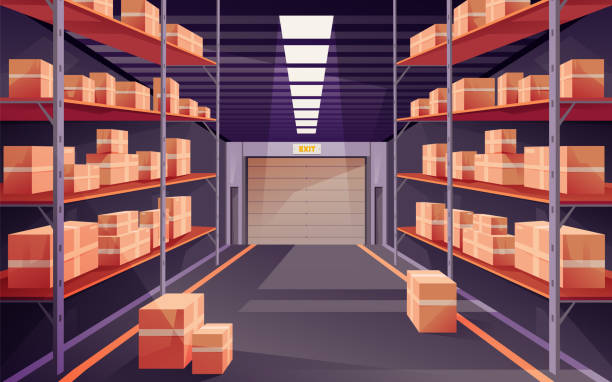
With higher order volumes, businesses require larger and more strategically located warehouses. Urban areas are especially in demand due to the need for faster last-mile delivery, leading to rising rental costs and limited availability of space.
3. Inventory Management Complexity
E-commerce businesses often deal with thousands of SKUs. Managing inventory across multiple warehouses while avoiding overstocking or stockouts has become a major challenge. Real-time inventory tracking systems are now essential.
4. Faster Fulfillment Expectations
Customers expect same-day or next-day delivery. This puts pressure on warehouses to process orders quickly and accurately. Delays in picking, packing, or dispatching can directly impact customer satisfaction.
5. Labor Shortages and Costs
Warehousing operations require skilled labor for handling, sorting, and packaging goods. However, many regions face labor shortages, and rising wages add to operational costs.
6. Returns Management
E-commerce has a high return rate compared to traditional retail. Handling returns (reverse logistics) requires additional space, staff, and systems, making warehouse operations more complex.
7. Technology and Automation
To overcome these challenges, companies are investing in automation technologies such as:
Robotics for picking and sorting
Warehouse Management Systems (WMS)
AI-based demand forecasting
These technologies improve efficiency but require high initial investment.
8. Last-Mile Delivery Pressure
Warehouses must be closely connected to delivery networks. The final stage of delivery, known as last-mile delivery, is often the most expensive and time-consuming part of the logistics chain.
Conclusion
The e-commerce boom has reshaped the warehousing industry, bringing both growth and challenges. Businesses that invest in technology, optimize their storage strategies, and streamline operations will be better positioned to succeed in this fast-evolving landscape.